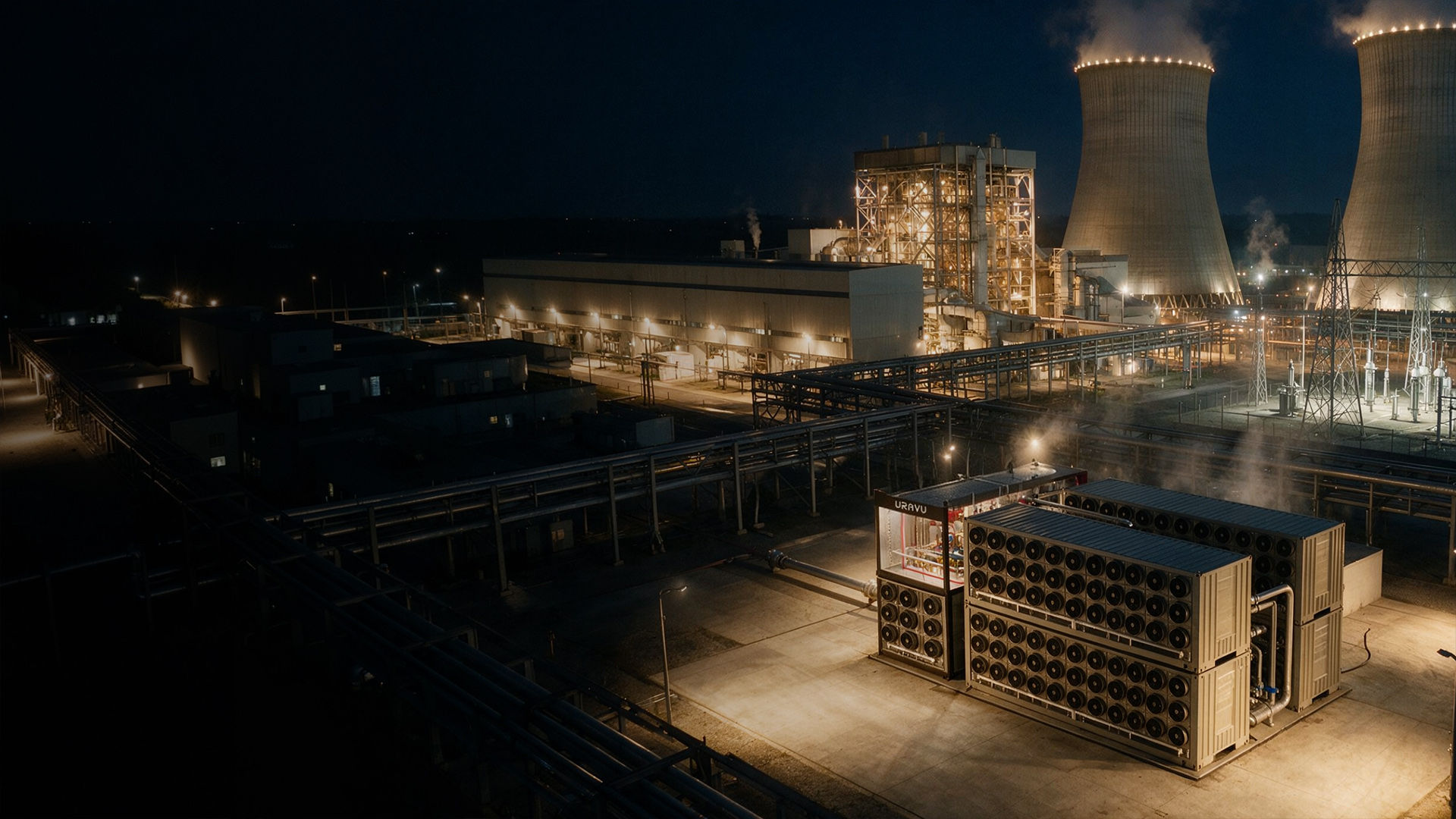
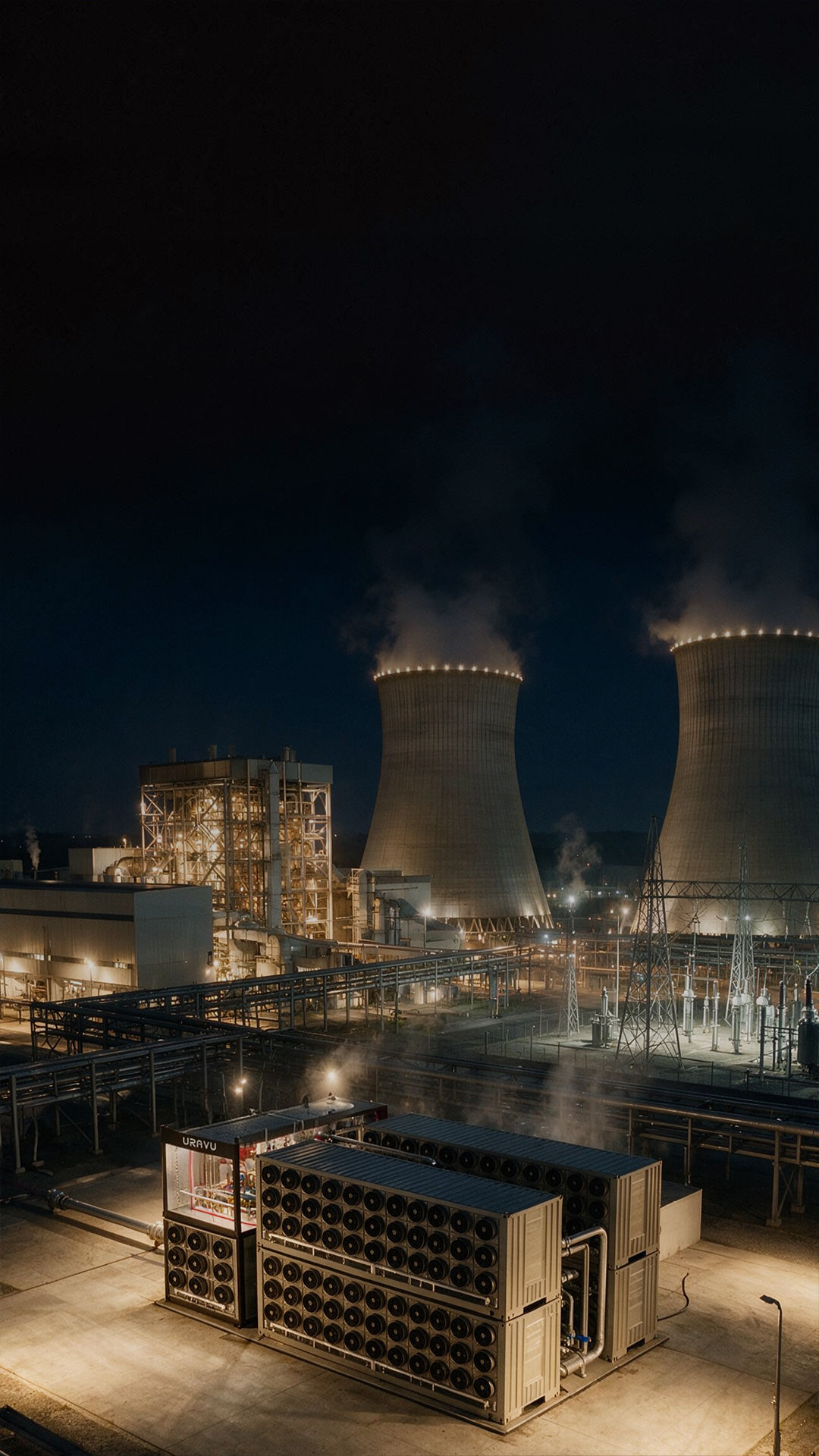
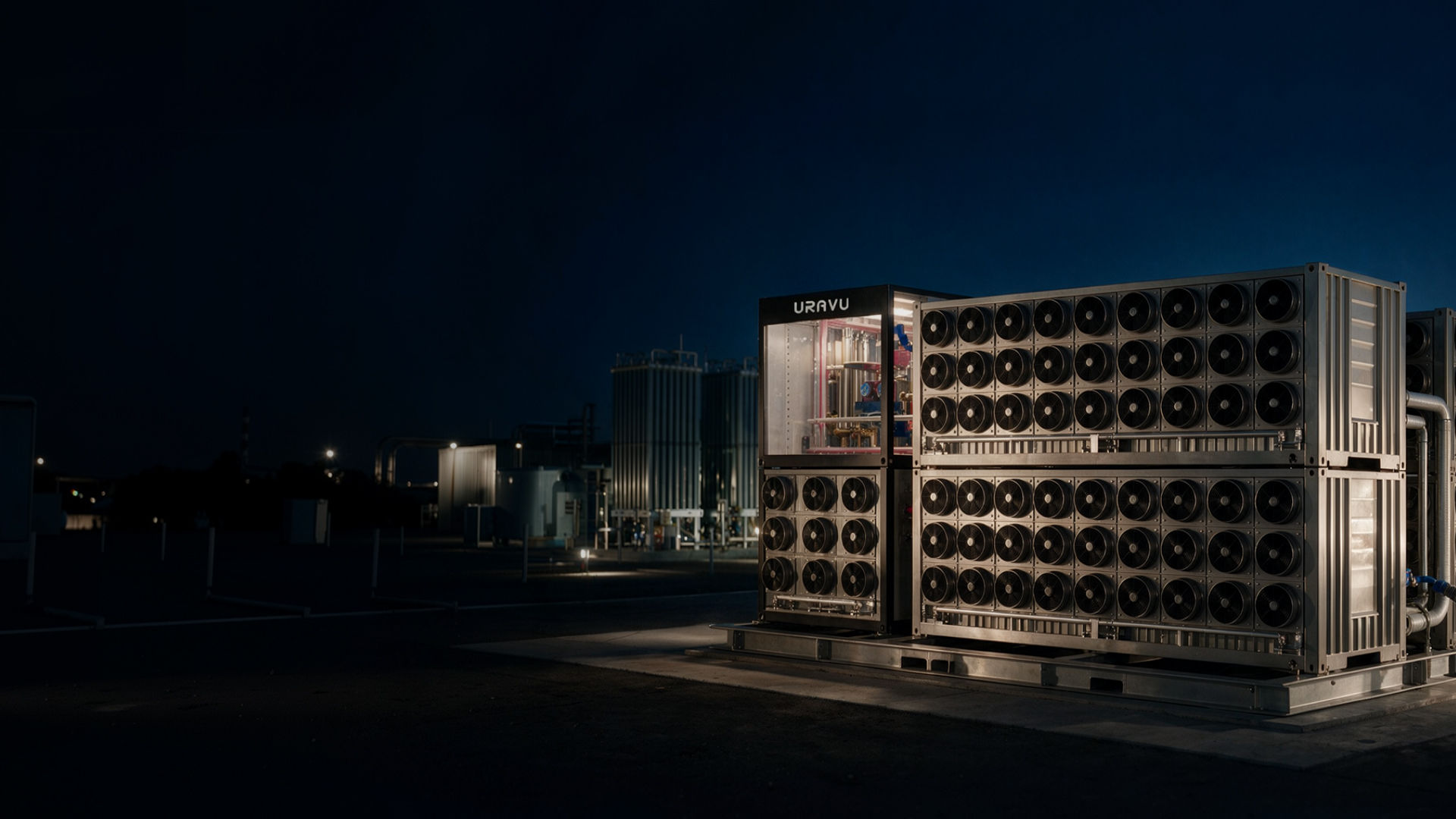
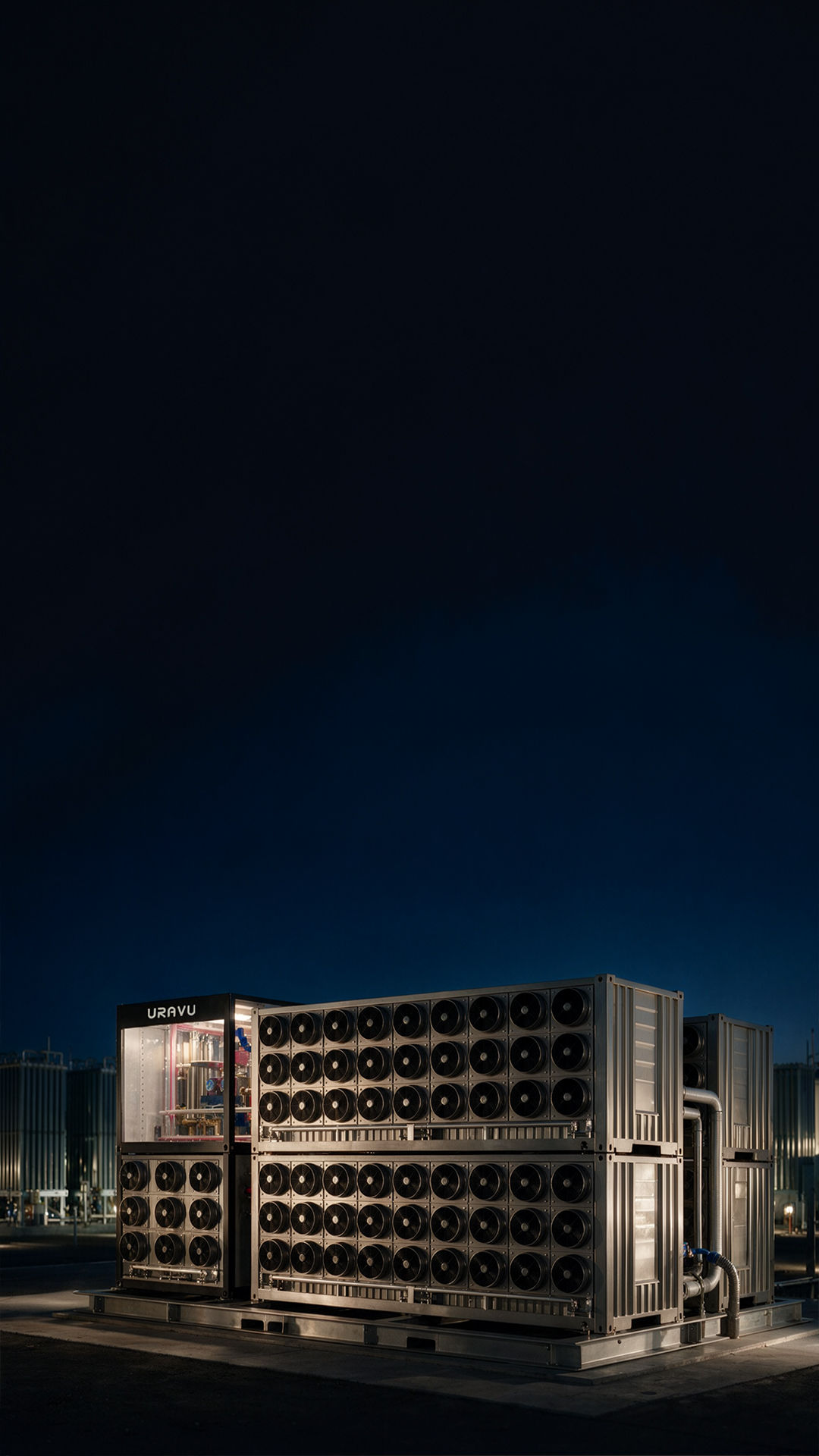
With 1 MW of recoverable heat,
Uravu's solution can produce up to 30,000 litres of water per day.
Instead of treating waste heat as something to be rejected, it can become an input for water generation.
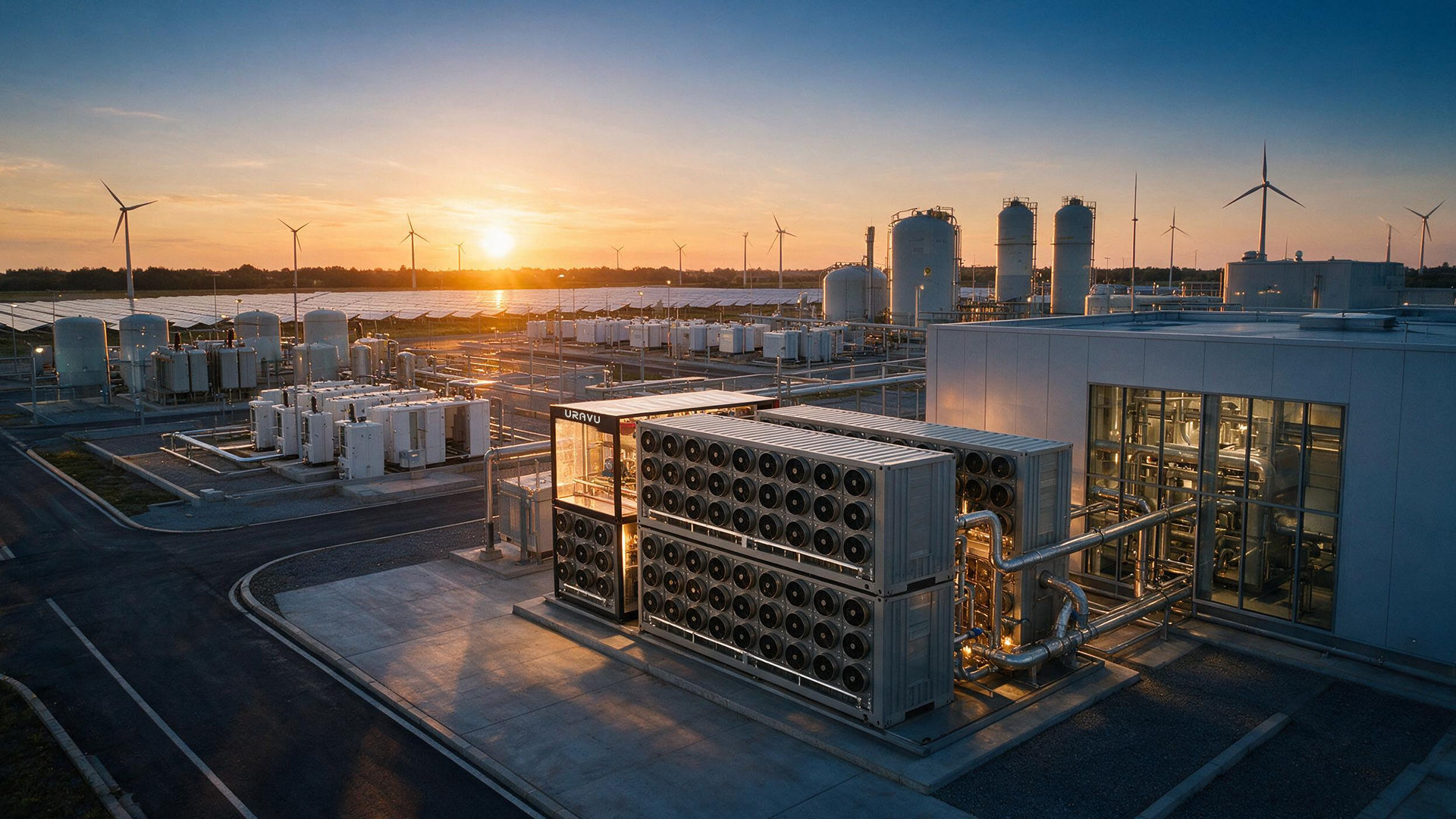
Green Hydrogen
Green hydrogen production through electrolysis requires significant quantities of high-quality water, and these electrolyzers and associated systems generate heat that needs to be managed and rejected. Uravu can use suitable waste heat from hydrogen facilities to generate atmospheric water. The generated water can then be polished to the required purity, including DI or ultrapure water, for appropriate electrolyzer applications.
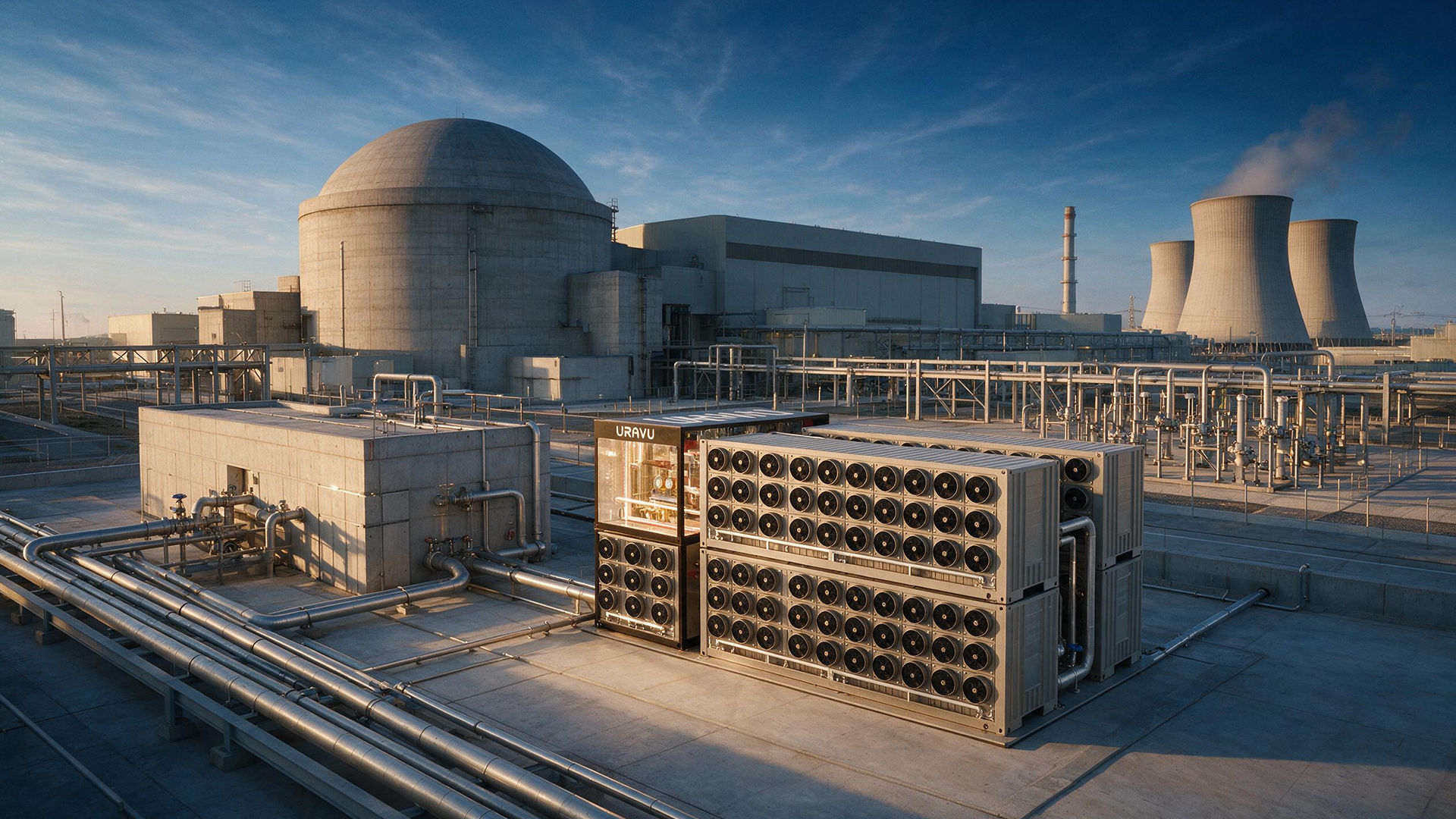
Nuclear Power
Nuclear power plants operate with enormous thermal loads and require continuous cooling. While the majority of a plant's thermal energy is rejected through dedicated cooling systems, suitable low-grade heat streams can potentially be repurposed for atmospheric water generation. Uravu can provide an additional source of water for suitable non-safety-critical applications, helping nuclear facilities reduce dependence on freshwater sources.
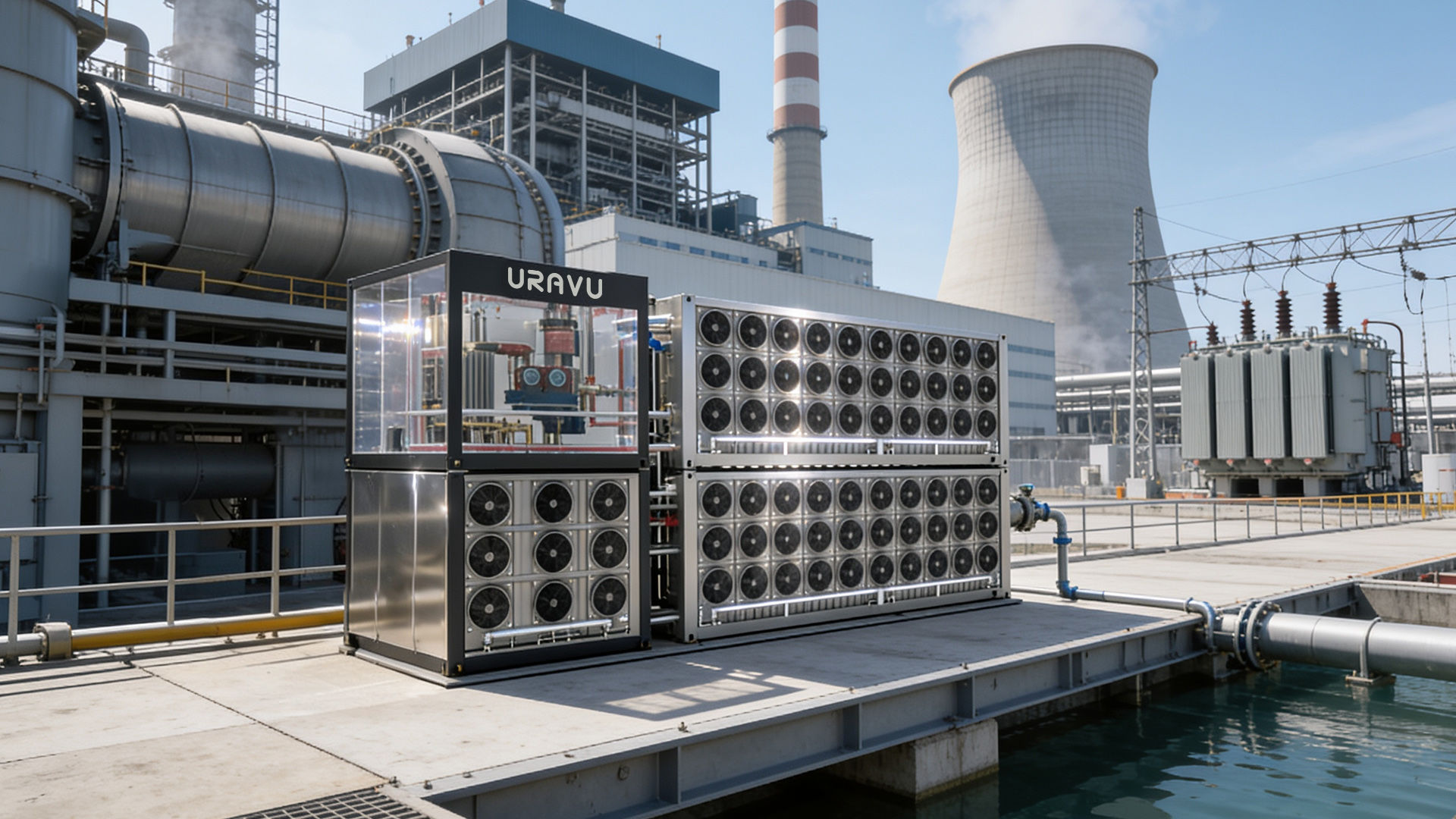
Thermal Power
Thermal power plants reject large quantities of heat through condensers and cooling systems. At the same time, these facilities can have substantial water requirements for cooling, make-up and auxiliary operations. Uravu provides an opportunity to connect these two sides of the equation. Rejected low-grade heat can become an input for atmospheric water generation.
A Circular Energy-Water System
The result is not simply water generation, but the productive reuse of a waste stream.